Vivint vs ADT Houston (2026) – Security Expert’s Comparison
| PHT Security Team
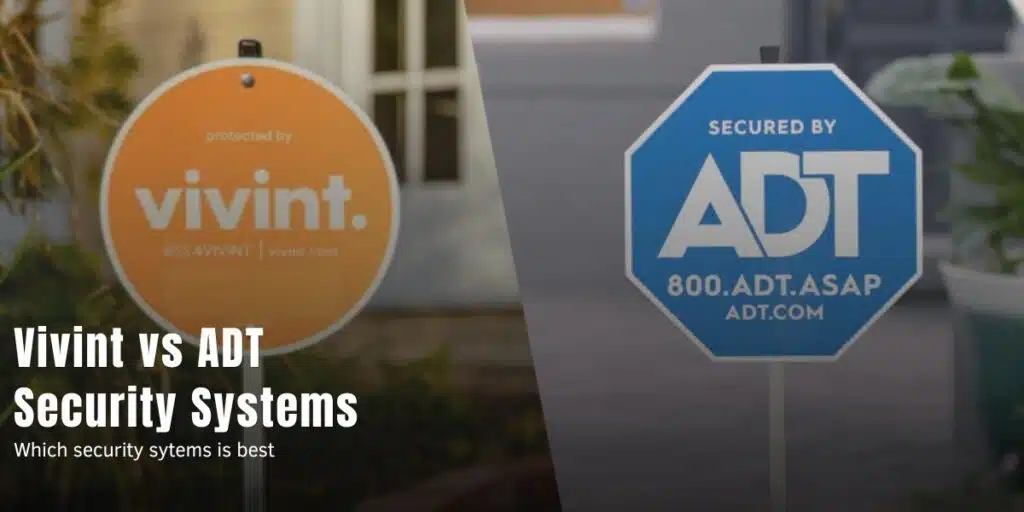
Every week, a Houston homeowner asks me: “Mike, is Vivint actually worth the premium, or should I stick with the ADT name?” It’s a valid dilemma. Both are heavy hitters in the smart home space, but after 15 years of crawling through hot attics in Katy, fixing sensors in The Woodlands, and responding to system failures after recent Gulf Coast storms, I’ve learned that “best” depends on how your home handles the specific climate and power grid challenges of Harris County.
Below is a field-tested 2026 comparison to help you protect your property whether it’s a ranch in Pearland or a high-rise in the Medical Center.
1. The Core Ecosystems: Proprietary vs. Flexible
When choosing between Vivint and ADT, you are choosing between two very different tech philosophies.
Vivint: The Unified Smart Home Experience
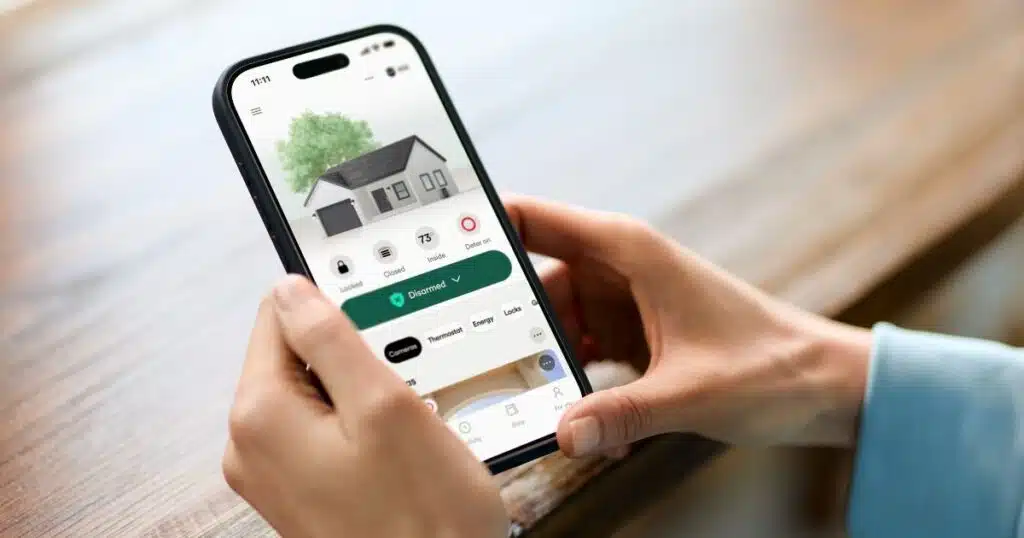
Vivint is a closed-loop ecosystem. Everything the cameras, the Smart Hub, and the AI is designed in-house to work together.
- The Pro: The “Smart Deter” technology is unmatched. If a lurker stays too long on your driveway in League City, the camera LED turns red and the onboard speaker whistles at them.
- The Con: You are locked in. If you cancel your service, your Vivint hardware is largely incompatible with other monitoring providers.
ADT (via Google Nest): The Versatile Heavyweight
Since the Google/ADT partnership matured, ADT has shifted toward flexibility.
- The Pro: They use Google Nest hardware. If you already use Google Home, the integration is seamless. Plus, through local authorized dealers, you can often bundle systems with backup power solutions a must for Pasadena residents familiar with frequent outages.
- The Con: Because it’s a mix of Google and ADT tech, the app experience can occasionally feel less “unified” than Vivint’s.
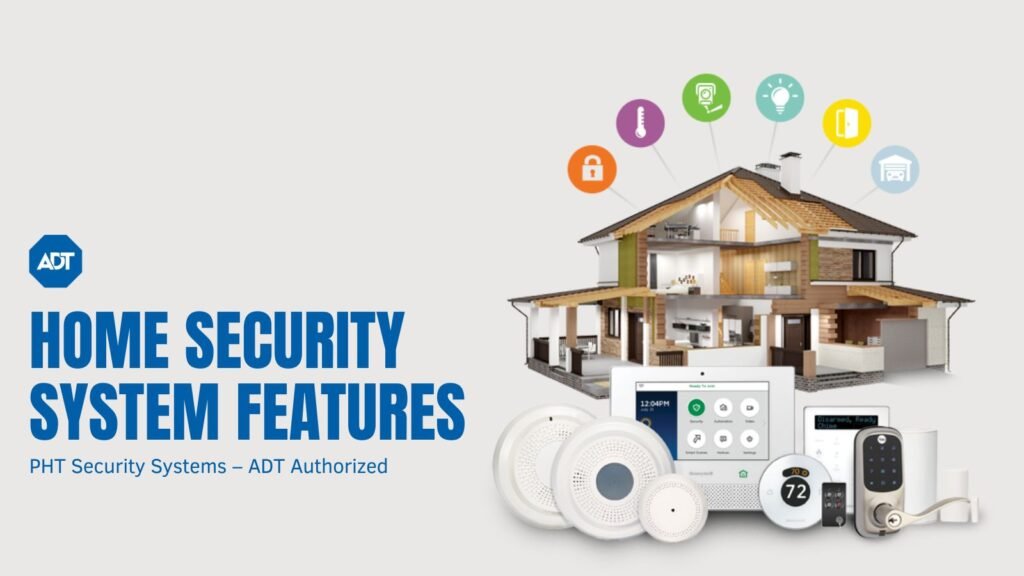
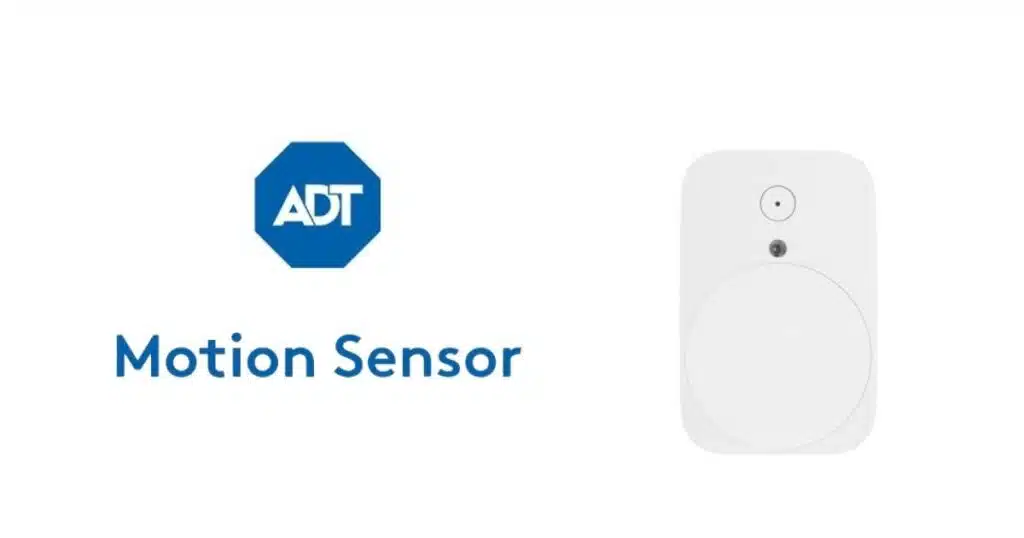
While Vivint uses proprietary AI, ADT relies on the proven reliability of Google Nest. We’ve tested how ADT Security Motion Sensors integrate with this new ecosystem to ensure they don’t trigger false alarms from pets or Houston humidity.
2. Southeast Texas Performance: Storms & Humidity
In this part of Texas, a security system is only as good as its performance during a blackout.
- Weatherization: High humidity and salt air can corrode cheap sensors. Vivint’s proprietary gear is rugged, but ADT’s local dealer-installed hardware often includes specialized contact seals for external gates.
- Communication Reliability: Both systems use 5G cellular backup. However, ADT’s massive network of monitoring centers across the U.S. proved its worth during recent storms when local Texas nodes were under stress.
3. Pricing, Contracts, and Local Promos
| Feature | ADT (Local Authorized Dealer) | Vivint Smart Home |
| Equipment Cost | $0 – $200 upfront (with promos) | $599 – $2,500 (proprietary) |
| Monitoring | $28.99 – $60/mo | $39.99 – $55/mo |
| Commitment | 36 Months (or No-Contract DIY) | 42–60 Months (Financed) |
| Installation | Same-Day / Next-Day Local | National Scheduling |
Expert Tip: Many Houston homeowners insurance providers (like Texas Farm Bureau or State Farm) offer up to a 15% discount for systems that include monitored fire and flood sensors. Always ask your dealer for a certificate of installation.
4. Local Support: National Call Centers vs. Houston-Based Techs
ADT via Local Authorized Dealers: The “Neighbor” Advantage
Choosing ADT through a local authorized dealer (like our team based on Cullen Blvd) means you are dealing with professionals who live in your zip code. We understand the specific crime patterns in the Third Ward and the unique flood-prone hardware risks in Meyerland.
- Resolution vs. Reliability: Many homeowners obsess over pixels, but understanding 4K security cameras means knowing that high-def footage is useless if the camera isn’t positioned correctly or loses power.
- The 24-Hour Guarantee: Because we are local, we can often get a technician to your door within 24 hours. We don’t just “fix a sensor”; we optimize your system for the Houston environment, ensuring your cameras are angled to catch license plates even during heavy Texas rain.
The Verdict: Which Should You Choose?
Deciding between these two isn’t about which system is “better” it’s about which one fits your specific Houston lifestyle.
- Choose Vivint if… You want the “cool factor” and a premium, all-in-one experience. It’s the best choice for homeowners who want the most beautiful hardware, the smartest AI-driven cameras that proactively deter lurkers, and don’t mind a higher upfront cost or a longer contract to get it.
- Choose ADT if… You value reliability and long-term flexibility. It’s the better choice for families who want seamless Google Nest integration, lower entry costs, and the peace of mind that comes with a local, Houston-based support team.
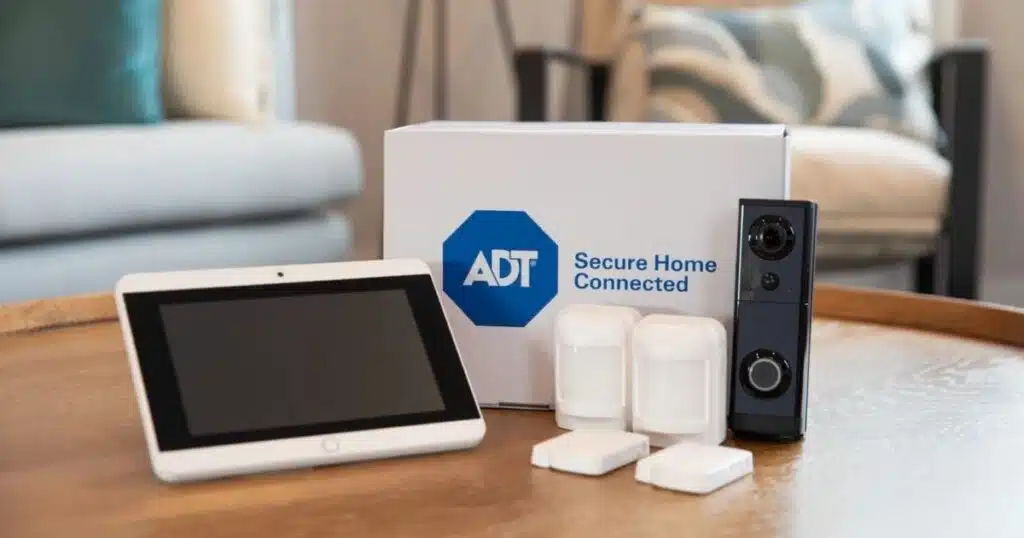
My Honest Take: After thousands of installs across Harris County, my advice is simple: If you want a “set-it-and-forget-it” luxury system and the budget isn’t your primary concern, go with Vivint. However, for the average Houston family especially those who want to upgrade your home security system over time ADT through a local dealer wins. You get the same world-class monitoring, but with much faster local service and hardware that’s easier to customize for our specific storm and power grid challenges.
FAQ: Houston Home Security 2026
Does the City of Houston require a permit for alarm systems?
Yes Houston homeowners are required to register annually with the City of Houston Burglar Alarm Permit office. Most local ADT dealers will handle this paperwork for you.
Will these systems work during a power outage?
Both systems include battery backups that last roughly 24 hours. However, for long-term protection during hurricane season, we recommend integrating your security system with a home standby generator or solar-ready battery backup.
Can I monitor my home myself without a monthly fee?
While both brands offer “app-only” views, professional monitoring is required for emergency dispatch (Police/Fire). In a city this large, professional dispatchers are essential for getting through to emergency services during peak times.
Is 4K video necessary for home security?
While 1080p is the standard, 4K is highly recommended for driveways to capture license plates and facial details, especially in high-traffic areas like Midtown or The Heights.
Monitoring isn’t limited to door sensors. Integrating Wireless Fire Alarm Monitoring ensures that if a fire starts during a power outage, the dispatch center is notified even if your primary internet is down.
Ready to secure your property?
Don’t rely on a national chatbot. Get a no-pressure, local comparison and see which system survives the Texas heat.
Contact Your Local Houston Security Expert Today

PHT Security Team
We believe everyone deserves to feel safe at home and at work. Our team shares practical security advice, helpful resources, and the latest insights on ADT systems, security cameras, smart home technology, and commercial security to help you make informed decisions. Whether you’re exploring your first security system or upgrading your current setup, we’re here to help you protect what matters most.
PHT Security Team
we believe everyone deserves to feel safe at home and at work. Our team shares practical security advice, helpful resources, and the latest insights on ADT systems, security cameras, smart home technology, and commercial security to help you make informed decisions. Whether you’re exploring your first security system or upgrading your current setup, we’re here to help you protect what matters most.