
Your safety deserves 24/7 protection. Find the ADT pro monitoring plan that’s best for your security needs.

ADT Services
Alarm Monitoring Services in Houston
Our Houston-based alarm monitoring provides 24/7 real-time protection for homes and businesses. From intrusion and fire to smoke detection, our certified center responds within seconds. We ensure every alert is verified and dispatched immediately, protecting your warehouses, offices, or retail stores. When an alarm triggers, every second matters—trust us to stay constantly vigilant.
ADT Services
Alarm Monitoring Services in Houston
Our Houston-based alarm monitoring provides 24/7 real-time protection for homes and businesses. From intrusion and fire to smoke detection, our certified center responds within seconds. We ensure every alert is verified and dispatched immediately, protecting your warehouses, offices, or retail stores. When an alarm triggers, every second matters—trust us to stay constantly vigilant.
Alarm Monitoring Services in Houston
Security doesn’t stop when you leave your property — and neither should your protection.
Our Houston-based alarm monitoring provides 24/7 real-time protection for homes and businesses. From intrusion and fire to smoke detection, our certified center responds within seconds. We ensure every alert is verified and dispatched immediately, protecting your warehouses, offices, or retail stores. When an alarm triggers, every second matters—trust us to stay constantly vigilant.
Award-winning monitoring centers
Our monitoring professionals are always there, ready to respond when your alarm triggers, day or night.
- ADT has helped protect homes and neighborhoods for 150 years.
- The ADT+ app lets you control and monitor your smart security system from virtually anywhere.
- ADT has helped protect homes and neighborhoods for 150 years.
Our Monitoring Plans
Secure Monitoring
For security systems without smart home devices or cameras.
Smart Monitoring
For security systems with smart home devices but not cameras.
Complete Monitoring
For security systems with cameras.
Smart Monitoring
For security systems without smart home devices or cameras.
Smart Home Automation
Control your lights, thermostats, etc. all from the ADT+ app.
Live video monitoring
View your live video feeds and allow ADT to access if an alarm is triggered so they can verify if there is an issue.
Includes 30 days of stored video clips with Nest Aware
Trusted Neighbor™
Grant secure, temporary access to your home through the ADT+ app.§

INTRODUCING ADT MY SAFETY
Powerful protection that goes where life takes you
My Safety is a new personal safety service in the ADT+ app that empowers you with protection, seamless connection, and a network of shared safety—helping keep you, your loved ones, and your community secure anytime, virtually anywhere. Exclusively for ADT+ mobile app users with ADT Professional Monitoring.
What’s Included in our PHT Generator Installation Service
24/7 Professional Response
UL-Listed monitoring centers
Instant emergency detection
Always-on property oversight
Rapid Emergency Dispatch
Houston Police & Fire contact
Verified alarm response
Priority medical dispatch
Life Safety Monitoring
Smoke & fire detection
Carbon monoxide alerts
Flood & leak sensing
Smart App Integration
Remote arm and disarm
Real-time push notifications
Smart lock & light control
Why professional monitoring?
When every second counts, choose ADT for the peace of mind of knowing your family, pets and home are safe.
By yourself
- Missed notifications or inability to respond to an emergency
- Slower emergency services response times
- Costly false alarms with emergency services.
- Not-so-hidden spare keys and easy-to-guess garage codes
Fees and penalties vary depending on location and number of offenses.
With Pht Security – Authorized By Adt
- Missed notifications or inability to respond to an emergency
- Our agents send verified alarms to emergency services centers for a faster response.
- With text verification through Alarm Messenger™, ADT has over a 50% reduction in false alarm events.
- Automate event-based or scheduled access to your home for neighbors, friends and helpers with Trusted Neighbor™.
vs. unverified alarms.
vs. sites not enrolled in Alarm Messenger.
Requires ADT Complete pro monitoring plan and compatible devices.
Why Choose PHT Security

Trusted ADT Authorized Dealer
We are an ADT Authorized Dealer, providing certified and reliable security solutions you can trust.
Fast Emergency Response
Quick and accurate response to intrusion alerts, fire alarms, and monitored system signals to minimize risks and ensure safety.
Scalable Security Solutions
Flexible security systems designed for offices, retail stores, warehouses, and growing businesses, providing reliable protection.
Expert Installation & Support
From setup to ongoing support, our professional team ensures your security system works flawlessly.
Google Reviews
Posted on GoogleTrustindex verifies that the original source of the review is Google. Amazing customer service. John & Arron were beyond helpful and kind. Got great info from them as well. They really went above and beyondPosted on GoogleTrustindex verifies that the original source of the review is Google. John was recommended to me when I first moved in, and I’m so glad he was. He took the time to sit down with me and walk through all the services he offers, without ever pressuring me into anything unnecessary. He even helped me arrange my internet service contract and schedule the installation — quick and easy. John is local, knowledgeable, and genuinely neighborly. I’m very happy to be working with him.Posted on GoogleTrustindex verifies that the original source of the review is Google. John and his team are awesome! He is very knowledgeable and was able to help me get my home secured. Thanks John and team!Posted on GoogleTrustindex verifies that the original source of the review is Google. Mr Markeith was, is very professional.Did a ausum Job and answerd every question I had. Amazing youg man, ausum company.Posted on GoogleTrustindex verifies that the original source of the review is Google. Stop shoving mail into people’s doors. Sleepy business tactics.Posted on GoogleTrustindex verifies that the original source of the review is Google. John is very professional and direct. We are definitely happy customers the information that we received on ADT Alarm system, ISPC, & Solar was very informative. If your looking for Alarm system, water supply, or solar, PREFERRED HOME TECHNOLOGY definitely is the place I promise you won't be disappointed.Posted on GoogleTrustindex verifies that the original source of the review is Google. The team at PHT is absolutely fantastic. Everyone was incredibly professional and they worked hard to help me find me the best solution for my home security needs. John, Stephon, and Gary were all incredibly helpful and responsive with my questions, fought to get me the best deal, and the work they did was just top-notch. Would highly recommend to anyone looking to get a home security system.

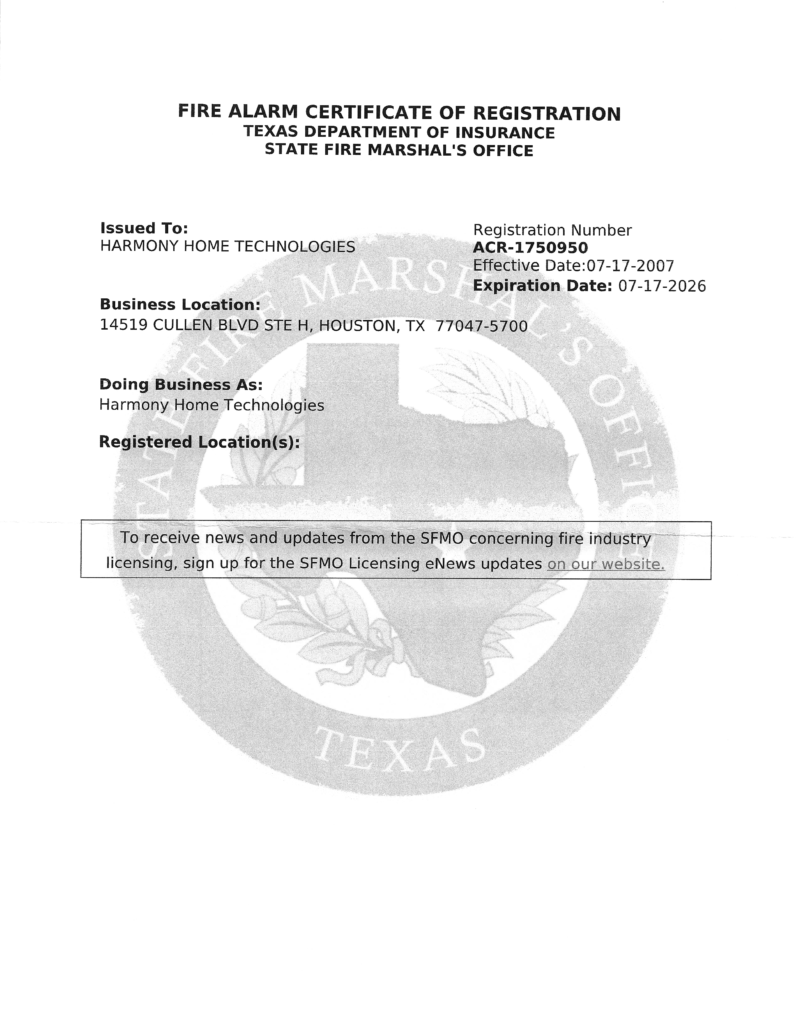
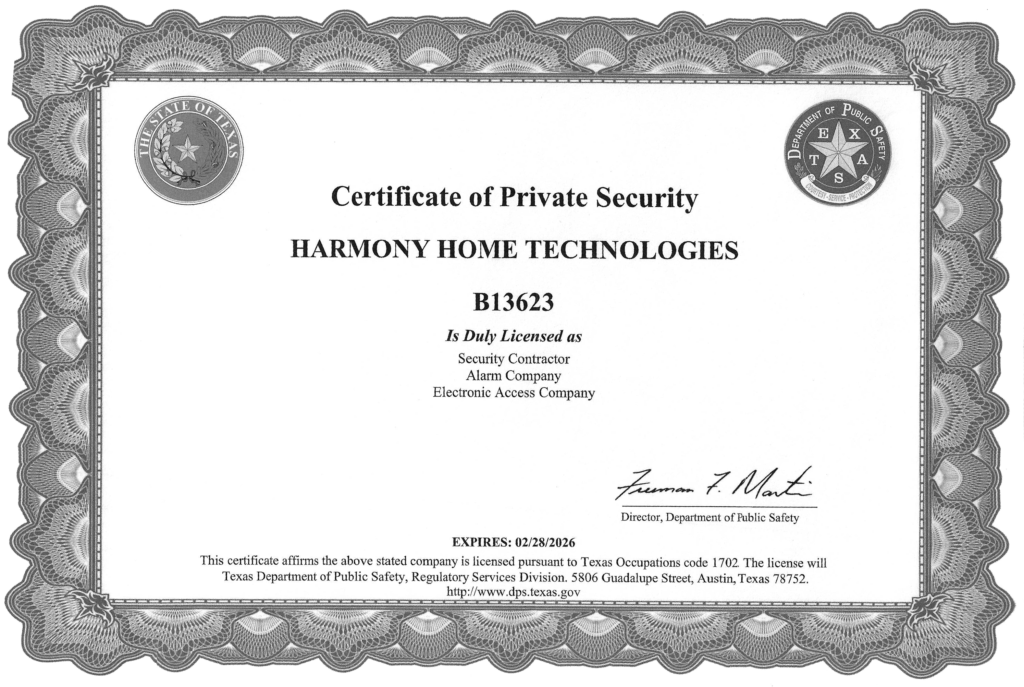
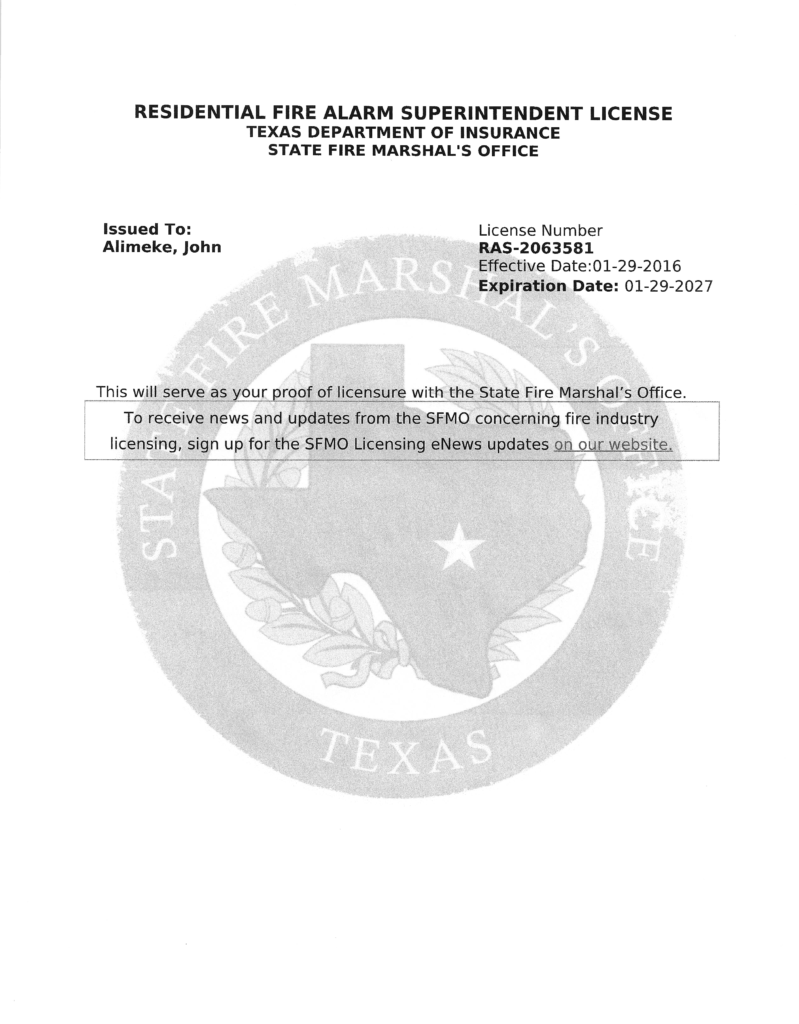
PHT Certifications
FAQs
What are alarm monitoring services?
Alarm monitoring services connect your alarm system to a 24/7 central monitoring station. When an alarm is triggered, trained operators verify the alert and dispatch emergency responders if necessary.
Every installation includes a smart control panel, motion detectors, a smartphone app, and your choice of wired or wireless cameras with DVR recording. As an ADT-authorized dealer serving Houston, Pearland, League City, and surrounding areas, we bring professional-grade home security to neighborhoods that actually need it.
How much does it cost to monitor an alarm system?
Professional alarm monitoring services generally cost between $20 and $50 per month. The final price depends on whether the system includes fire alarm monitoring, commercial alarm monitoring, or advanced features such as video verification and cellular backup.
How much is ADT monitoring service per month?
ADT monitoring typically ranges between $30 to $60 per month depending on the package, contract length, and equipment included. Pricing varies based on features like mobile app access, video monitoring, and smart home integration.
Can I get alarm monitoring service for an existing system?
Yes, many providers offer alarm monitoring service for existing systems. If your current alarm panel is compatible, it can be connected to a central monitoring station without replacing all of your equipment.
Does PHT Security offer ADT monitoring without a long-term contract?
Yes. PHT Security offers flexible monitoring plans starting at $36.99 per month. Contract terms vary depending on the package and equipment selected, so we recommend calling for a free consultation to find the option that fits your situation.
1. How do I control my home security system when I'm not home?
Through your smartphone app. Once installed, you can arm or disarm your house alarm system, get real-time door contact alerts, and pull up live or recorded camera footage from anywhere — all from your phone.
2. How many security cameras does my home actually need?
Most Houston homes are well covered with two security cameras at the main entry points. Larger properties with a garage, side yard, or rear access typically need four security cameras for complete coverage. We figure this out during your free on-site consultation.
3. Is PHT Security a licensed home security company in Houston?
Yes. PHT Security is an ADT-authorized dealer with an A+ BBB rating, serving Houston and surrounding communities including Pearland, League City, Missouri City, and Friendswood. Our technicians are certified and local — not contractors flown in from out of state.
4. How long does installation take and will it disrupt my day?
Most residential installations are completed in a single visit within a few hours. Our technicians work cleanly and efficiently, and before they leave, they'll walk you through your control panel, smartphone app setup, and every feature of your new home security alarm system.
5. Can PHT Security upgrade my existing house alarm system?
Absolutely. If you already have an older system installed, our technicians assess what's in place and upgrade the components that need it — new control panel, additional door contacts, extra cameras — without necessarily starting from scratch. We work with what's there and improve it.
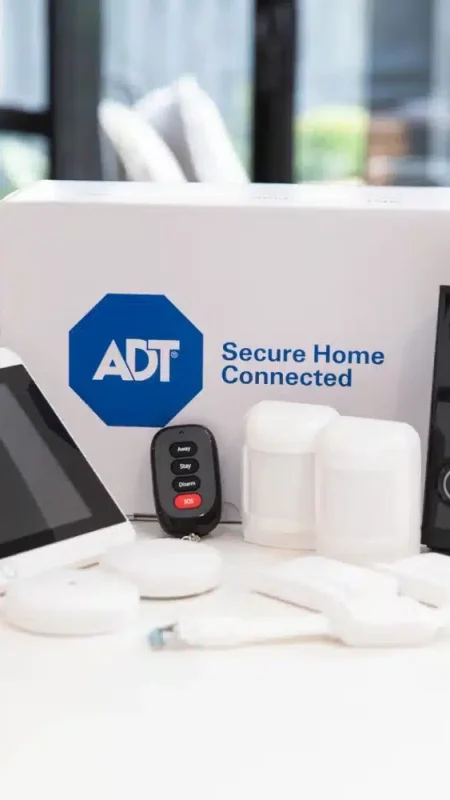
Why Choose PHT Security
Houston-based expertise with deep knowledge of local fire codes, compliance standards, and emergency dispatch procedures.
24/7 professional alarm monitoring services backed by a fully staffed central monitoring station.
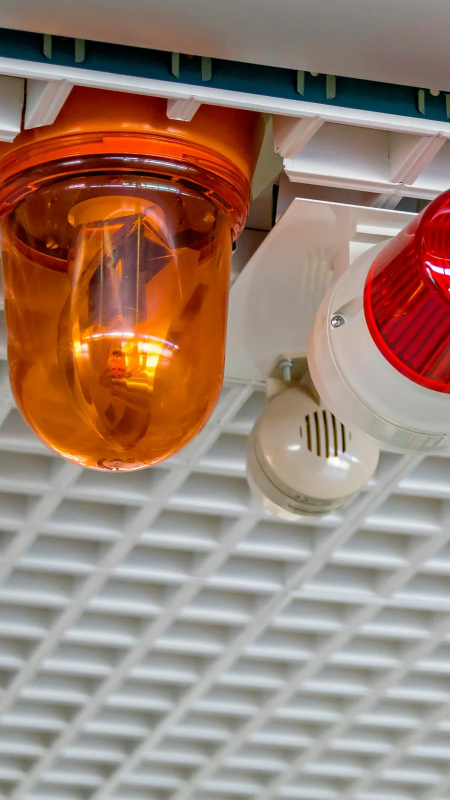
Fast, accurate response times to intrusion alerts, fire alarms, and monitored fire alarm system signals.
Specialized commercial alarm monitoring solutions tailored for offices, retail stores, warehouses, and multi-site businesses.
Scalable security systems designed to grow with your property while maintaining reliable, uninterrupted protection.
Secure Your Property with Reliable Alarm Monitoring Services
A monitored alarm system is more than equipment — it is immediate action during emergencies. If you need professional alarm monitoring services in Houston, PHT Security is ready to provide 24/7 protection backed by trained monitoring professionals and rapid emergency dispatch. ss control, we have a solution for you. Contact us today to get a customized security plane and keep your business safe 24/7/